
The Punishment of the Envious in Purgatory
The Divine ComedyThe purgation of envy on the second terrace, where souls have their eyes sewn shut and wear coarse sackcloth.
increasing Bearing strength in each event
 decreasing
Bearing strength in each eventdecreasingThe Blind Souls
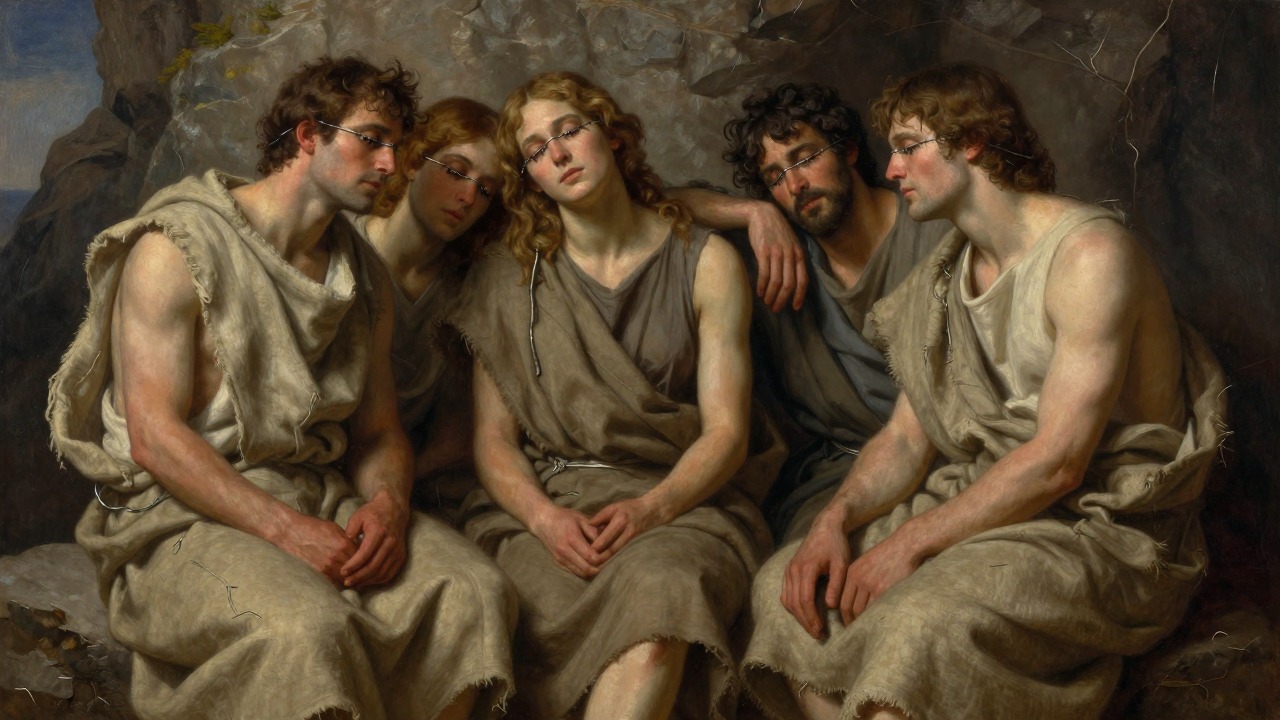
The Iron Wire
The Sewn Eyes
The envious sit against the cliff, leaning on each other, with their eyelids sewn shut with iron wire. They wear coarse sackcloth.
The Symbolism
Their blindness represents their earthly envy, which made them unable to see others' good fortune without pain. They now depend on each other for support.
The Voices of Examples
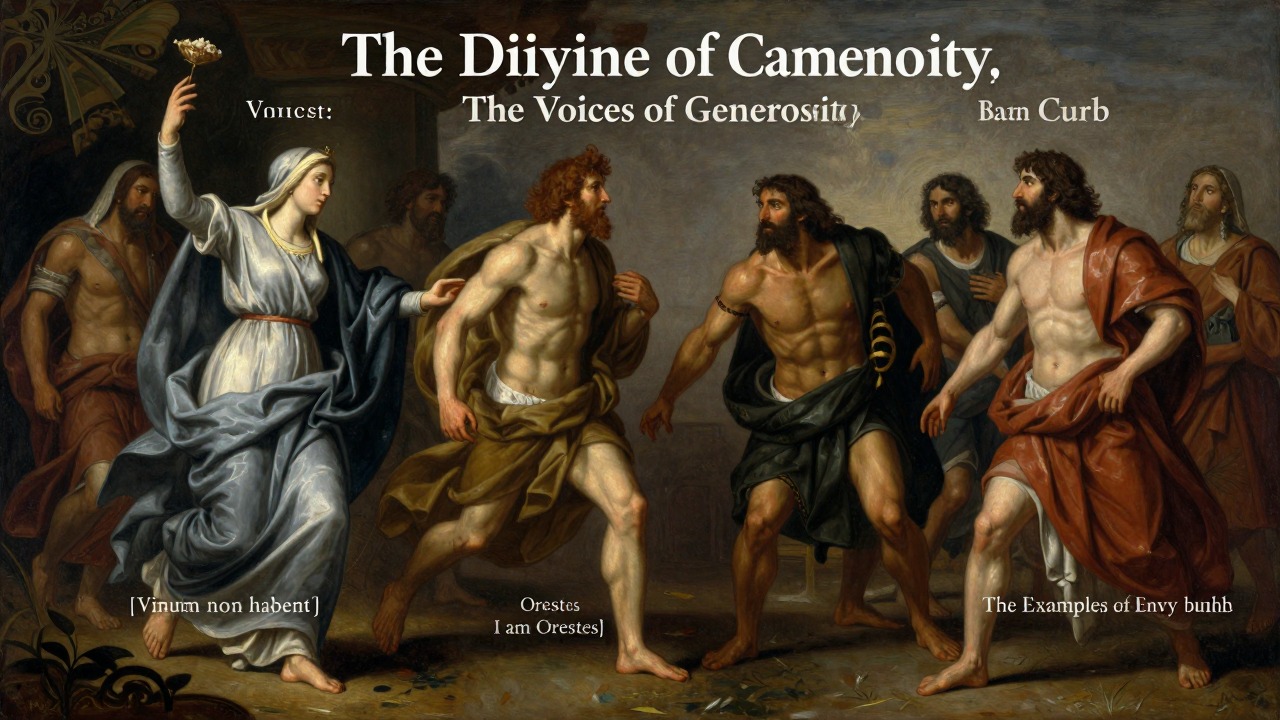
The Scourges and Curb
The Examples of Generosity
Voices fly by, citing examples of charity: the Virgin Mary at Cana ('Vinum non habent'), Orestes ('I am Orestes'), and the command to love enemies.
The Examples of Envy Punished
Later, voices cite examples of envy punished: Cain, Aglaurus. These serve as a curb to the sin.
Sapia of Siena
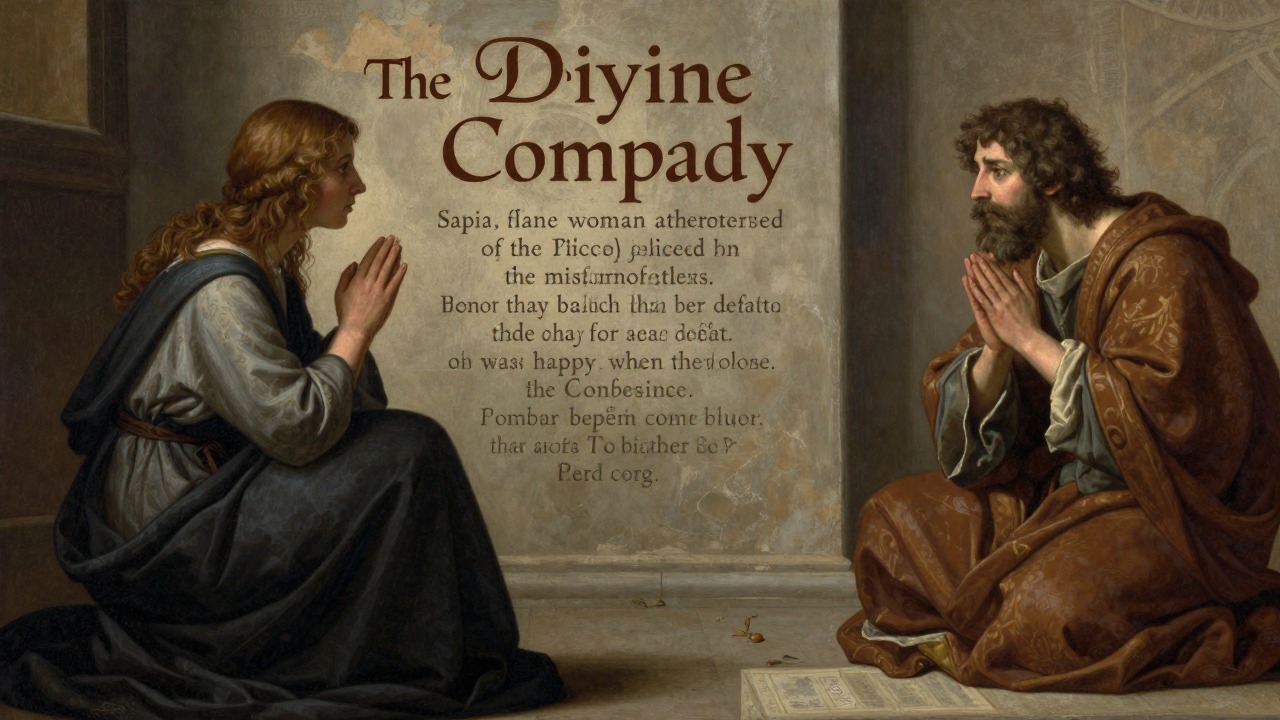
The Foolish Woman
The Confession
Sapia, a Sienese woman, admits that she rejoiced in the misfortune of others. She prayed for her city's defeat and was happy when they lost.
The Repentance
She repented at the end of her life, and the prayers of Pier Pettignano helped her. She asks Dante to restore her fame among her kin.
Guido del Duca's Lament
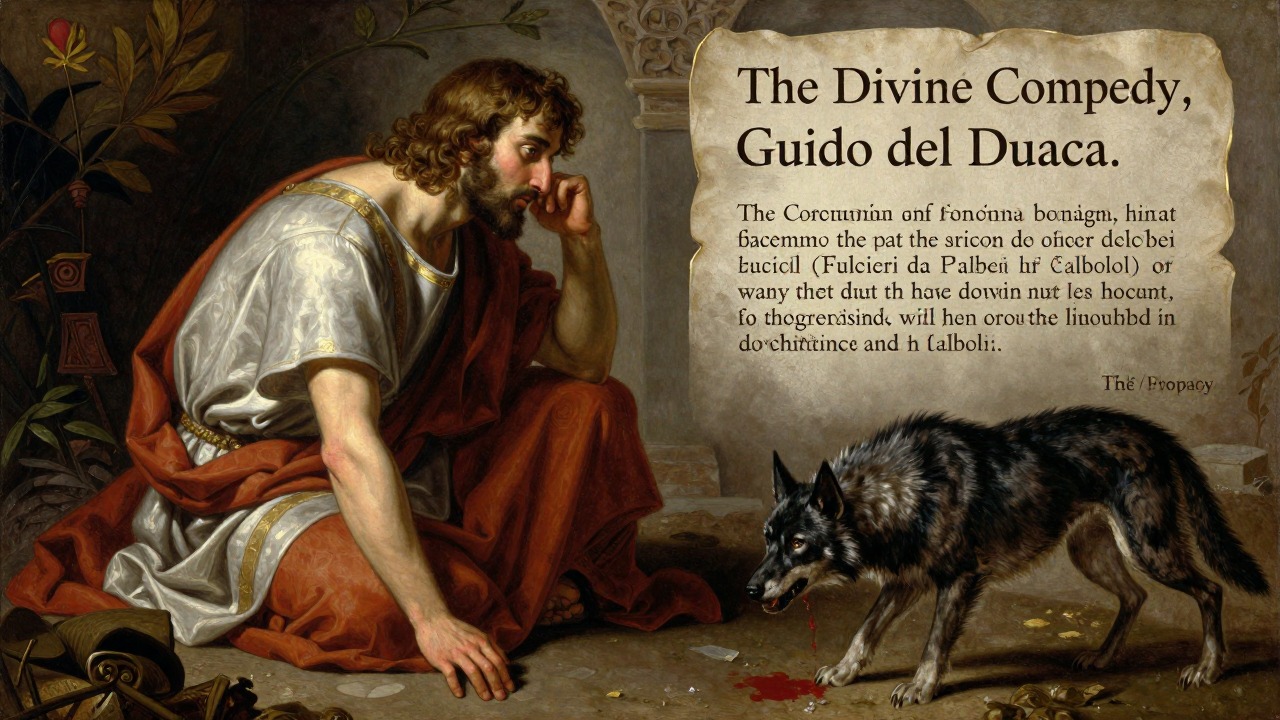
The Bitter Speech
The Corruption of Romagna
Guido del Duca, a nobleman from Romagna, laments the decline of virtue in the region. He names many families that have degenerated.
The Prophecy
He prophesies that a grandson (Fulcieri da Calboli) will hunt down the corrupt like wolves, shedding blood. This is a warning of future violence.
The Angel of Mercy
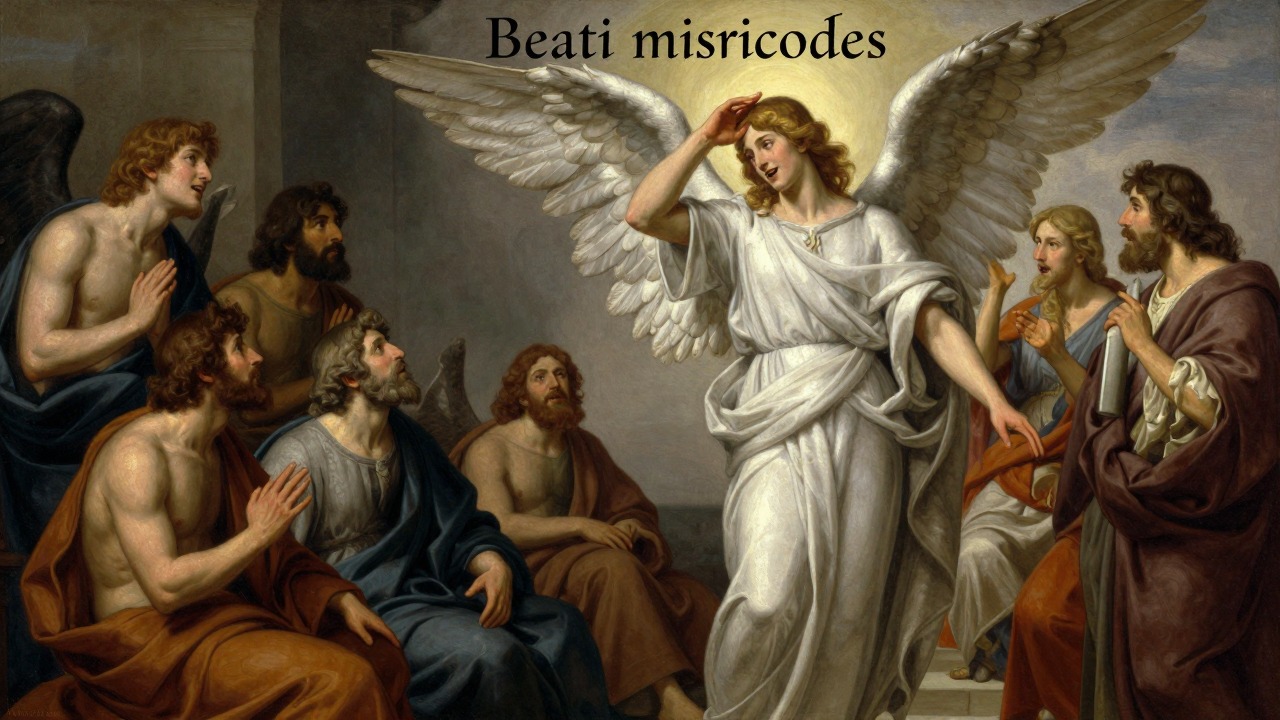
The Transition
The Angel
An angel appears, inviting them to the next terrace. He brushes Dante's forehead with his wings, removing one of the P's.
The Beatitude
The angel sings 'Beati misericordes' (Blessed are the merciful). The souls on this terrace learn to rejoice in others' good.
On the second terrace of Purgatory
On the second terrace, during the walk
On the second terrace, during the encounter
On the second terrace, after Sapia
At the end of the second terrace
